Blocked toilets and traps
A toilet may drain slowly, rise after flushing or stop clearing altogether. The restriction may be in the toilet trap, its connector or a shared drainage line.
Urgent Plumbing
Repairs & Maintenance
Geyser Services
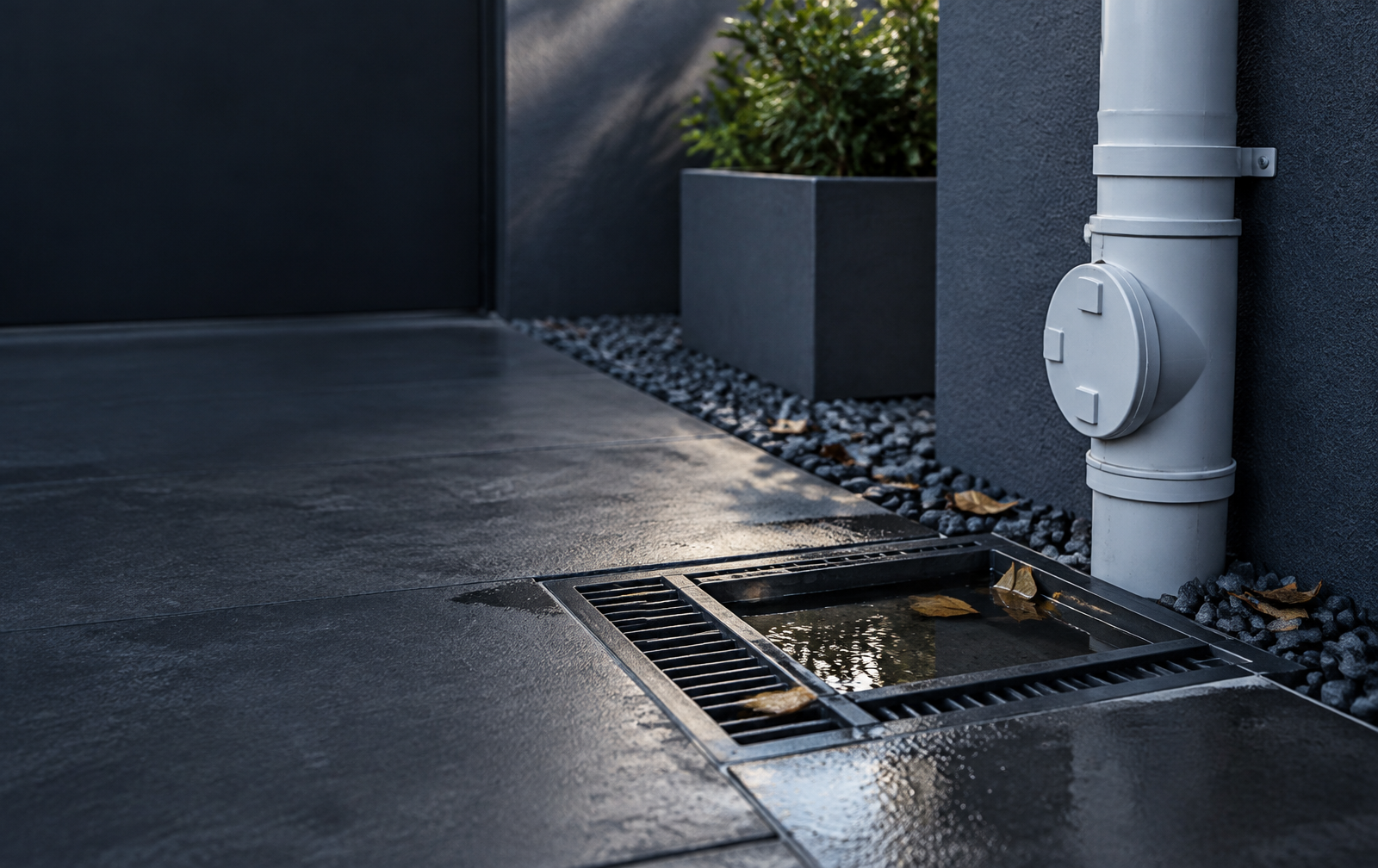
A slow fixture, rising toilet or overflowing gully can point to different parts of the drainage system. The first step is to establish where the restriction is likely to be and what may be causing it.
Stop the overflow
Pause use of affected or connected fixtures.
Trace the symptoms
One fixture and several fixtures tell different stories.
Approve the next step
Additional work is explained and quoted first.
01 — Problems we assess
Not every blockage starts—or ends—in the fixture where the symptom appears. Inspection determines the appropriate response.
A toilet may drain slowly, rise after flushing or stop clearing altogether. The restriction may be in the toilet trap, its connector or a shared drainage line.
Hair, soap residue and other material can restrict a fixture trap or nearby waste pipe, but several slow fixtures can point to a wider problem.
Grease, oil and food debris can collect in traps and waste lines. The accessible plumbing and connected drains need to be considered before choosing a method.
A restriction in shared internal pipework may affect more than one fixture and can cause gurgling, slow drainage or wastewater returning elsewhere.
An overflowing wastewater gully can indicate a restriction downstream, excessive inflow or another drainage fault that needs prompt assessment.
Repeated blockages or several affected fixtures may justify investigation beyond simple clearing to understand whether the drainage line has an underlying defect.
02 — Symptom guide
Sewage backing up, an overflowing toilet or wastewater entering the property needs prompt attention. Stop using connected fixtures and call.
Emergency plumbing guidance →03 — Common causes
A recurring blockage is not automatically tree roots or a broken pipe. The evidence from the fixture, drainage line and blockage history matters.
Excess toilet paper, wipes, sanitary products and other unsuitable items can lodge in a toilet trap or drainage pipe.
Material can build up gradually in bathroom traps and waste pipes until water can no longer pass freely.
Fat, oil and food matter can cool, adhere to pipe walls and trap more debris over time.
An object in a trap, toilet or pipe can create an immediate obstruction or catch material that later forms a blockage.
Leaves, soil or building debris can enter accessible wastewater drainage points where covers or connections are compromised.
Roots can enter damaged or poorly sealed underground drainage joints, but recurring blockages should not be blamed on roots without evidence.
Damage, poor falls, displaced joints or sagging pipework can retain waste and contribute to repeated restrictions.
A restriction in a common line can affect several fixtures, units or parts of a property rather than one isolated fitting.
04 — Before attendance
These steps limit spread and exposure while an assessment is arranged. They are not instructions to work inside a drain.
Arrange an assessmentStop using the affected toilet, sink or drain if continued use could cause an overflow.
If wastewater is backing up, avoid running water into fixtures that may connect to the affected line.
Keep children and pets away from sewage, wastewater and contaminated surfaces.
Do not mix chemical drain cleaners or combine them with bleach, acids or other cleaning products.
Avoid dismantling plumbing or inserting improvised tools that could damage a trap, seal or pipe.
Keep clear of an overflowing manhole or gully; never enter it or reach into the wastewater.
Take a photograph or short video from a safe distance if it will help show which fixture is affected and how the water behaves.
05 — Assessment and clearing
Not every blockage can be located, cleared or priced reliably by phone, and not every repair can be completed during the first visit.
We ask which fixture is affected, when the problem began, whether other drains are involved and whether it has happened before.
The affected fixture and accessible drainage points are inspected where appropriate to narrow down the likely restriction.
We describe what has been identified, what remains uncertain and whether the symptoms suggest a local or wider drainage problem.
The next step may be clearing a local blockage, accessing a drain line or recommending further investigation when the cause is unclear.
The proposed scope and cost are explained for approval before additional work proceeds.
Where practical, the affected drainage is tested and any remaining limitation or recommended follow-up is explained.
06 — Recurring blockages
Clearing allows water to move again. It does not necessarily prove that deposited material, a foreign object, pipe damage, poor fall or another contributing condition has been resolved.
When a blockage returns or the clearing findings raise concern, further investigation may be proportionate. A drain-camera inspection is one possible method, subject to the pipe, access, actual service availability and separate approval. It is not required for every blocked toilet.
07 — Fixture or deeper line?
One blocked toilet can point to its trap or connection. Several slow fixtures, gurgling elsewhere or wastewater returning through a lower drain can suggest a shared downstream restriction. These are clues, not a guaranteed diagnosis.
In homes, rental properties, complexes and business premises, responsibility can also depend on where the restriction sits. Stop repeated flushing and report every affected fixture so the likely drainage path can be assessed.
08 — Pricing and approval
The standard call-out and assessment fee is payable before dispatch. It is not a fixed price for clearing every drain and is not automatically deducted from repair work.
Standard call-out & assessment
R450
payable before dispatch. Additional work requires approval.
What affects additional cost?
09 — Durbanville service
Blocked-drain and toilet assessments are available in Durbanville and genuinely served surrounding Northern Suburbs, subject to location and scheduling.
This includes Durbanville, Sonstraal, Sonstraal Heights, Aurora, Vierlanden, Kenridge, Eversdal, Pinehurst and Uitzicht. Call with your suburb and property type so current availability can be confirmed.
Explore Durbanville plumbing →Useful details for the first call
10 — Drainage FAQ
If wastewater is entering the property or a toilet is about to overflow, stop use and call rather than waiting for an email reply.
079 291 7407A toilet can block repeatedly when unsuitable items are flushed, a restriction remains in the trap or connecting pipe, or a shared drainage line is not carrying waste correctly. Restoring flow once does not prove that the cause has been removed. Note whether other fixtures are slow or gurgling and what happens immediately before the toilet rises. An assessment can then focus on the toilet, its connection and the relevant downstream drainage rather than assuming one cause.
Several fixtures becoming slow together can suggest that they share a restricted waste or drainage line. The lowest fixture may show symptoms first, but pipe layout differs between properties, so this is only a clue. Stop heavy water use if levels are rising or wastewater is returning. A plumber can check which fixtures are connected, inspect accessible drainage points and determine whether the problem appears local or deeper in the system.
Do not flush it again. Stop using the toilet and, if the cistern continues filling, close its supply valve only when it is easy and safe to reach. Keep people away from contaminated water and avoid using nearby fixtures if they appear connected to the same blockage. Do not add chemical cleaner to a full toilet. Call and explain whether the bowl level is rising, whether it has overflowed and whether other drains are affected.
An overflowing wastewater gully or outside drain can result from a downstream blockage, excessive flow into a restricted line, foreign material or a drainage defect. It is not possible to identify the cause from the overflow alone. Stop using connected fixtures where practical, keep children and pets clear, and do not reach into the wastewater. The accessible drainage points and pattern of affected fixtures can help locate the likely restriction.
Clearing can restore flow without resolving the condition that caused the restriction. Material may remain in the pipe, unsuitable items may continue entering the drain, or damage, poor falls, displaced joints or root entry may be contributing. A repeat blockage does not automatically prove that the pipe is damaged. The history, interval between blockages and inspection findings determine whether more investigation is proportionate.
Yes, pipe damage can contribute to a blockage, but many blockages occur without a damaged pipe. Cracks, displaced joints, sagging sections or poor falls can catch waste or allow roots to enter. Recurrence, the location of the restriction and what is found during clearing can influence the next step. Damage should not be claimed without evidence; further investigation may be recommended when the symptoms justify it.
A camera inspection may be useful when blockages recur, pipe damage is suspected, the cause remains unclear after flow is restored, or the condition of an underground line needs to be examined. It is not necessary for every blocked toilet or slow basin. Suitability and service availability depend on the pipe, access and problem found, and any specialist investigation should be explained and approved before it is arranged.
Avoid mixing drain cleaners or combining them with bleach, acids or other products. Chemical cleaners can create hazardous fumes, splash risks and difficult working conditions, and may not resolve a solid object or deeper drainage defect. Stop using the affected fixture when overflow is possible. If a product has already been used, tell the plumber what it was and when it was added so the area can be approached cautiously.
The standard call-out and assessment fee is R450 and is payable before dispatch. It covers the call-out and assessment, not an automatic deduction from repair work. Additional cost depends on the blockage location, severity, access, likely cause and work required. Once the next step can be defined, the proposed additional scope and cost are explained for approval. No single fixed clearing price responsibly covers every toilet or drainage problem.
Stop using the affected fixture. If several fixtures are slow, wastewater is backing up or an outside gully is overflowing, reduce or stop water use into connected fixtures until the line is assessed. Continued use can push wastewater out at the lowest opening. If one basin is slow but all other drainage is normal and contained, the restriction may be local, but avoid using it until overflow risk is understood.
We can assess the reported symptoms and accessible drainage points for customers in Durbanville and genuinely served nearby Northern Suburbs. A suspected main-line problem may require drainage clearing, further investigation or involvement from another responsible party, depending on where the restriction is located. Call with the affected fixtures, any gully or manhole overflow and the property type so the appropriate next step and current availability can be discussed.
Call 079 291 7407, use the website's WhatsApp action or email info@thecapetownplumber.co.za for a non-urgent enquiry. Explain your suburb, which fixtures are affected, whether wastewater is backing up and whether the problem has happened before. The standard call-out and assessment fee is R450, payable before dispatch. Attendance and any additional work are confirmed directly rather than assumed from the website.
11 — Related plumbing
Wastewater entering the property, an overflowing toilet or several unusable fixtures may require prompt attention. Significant water escape from a geyser follows a different assessment path.
Verifiable business details
Need a drainage assessment?
Call to discuss the symptoms, or email info@thecapetownplumber.co.za with non-urgent details.